The new threat to Northern cod
From Confederation into the 1960s, fishing power multiplied many times over
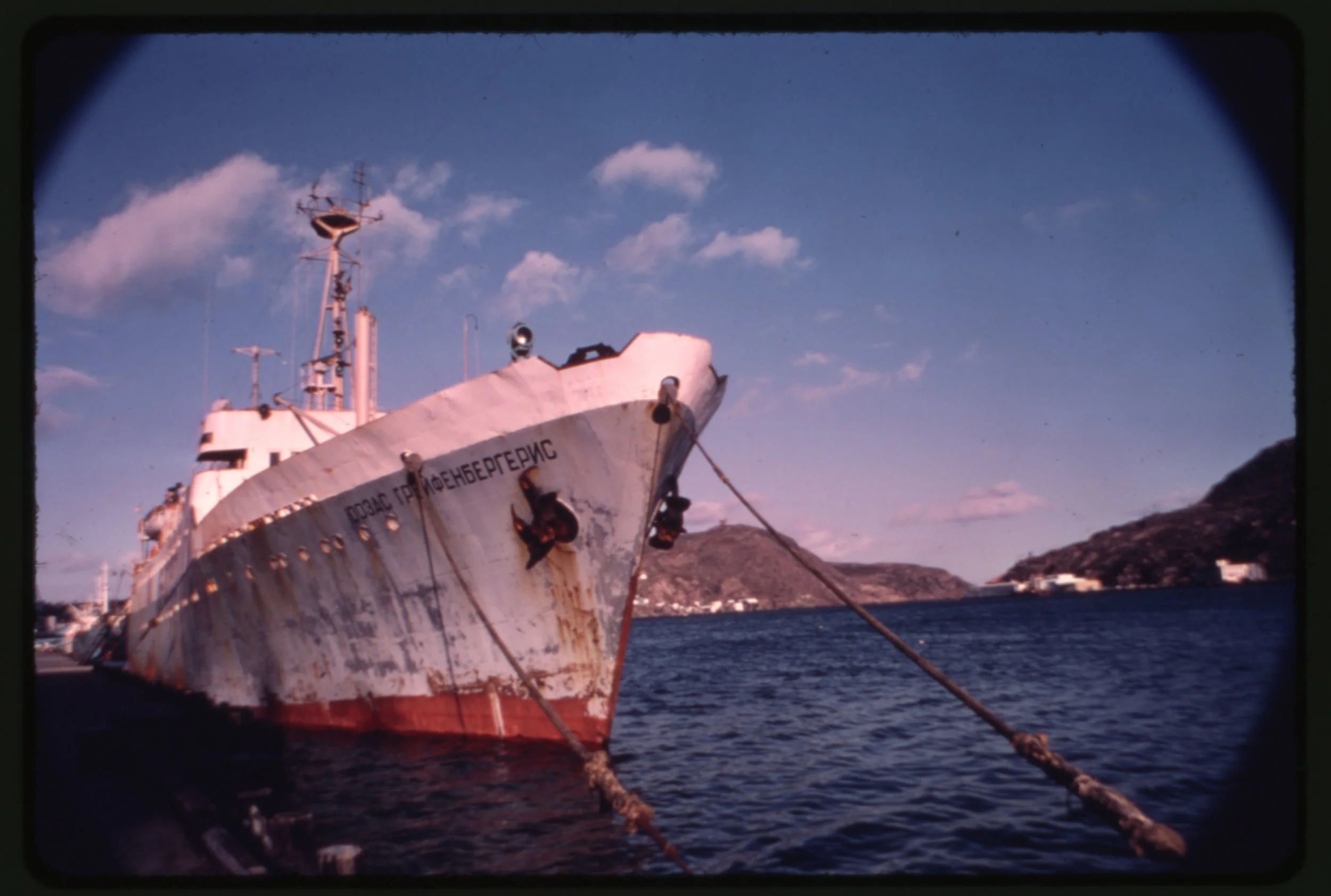
By the early 1960s, Canadian fish harvesters spoke of “cities of lights” just offshore – lights from the masts and hulls of hugely powerful foreign fleets. The attitude among many in Canada became “grow or die,” and major processing companies bought their own large trawlers. Wilfred Templeman, a renowned federal scientist based in Newfoundland and Labrador, warned that as vessels increased in size and number, the catch per person and size of fish would drop. This happened all too soon.
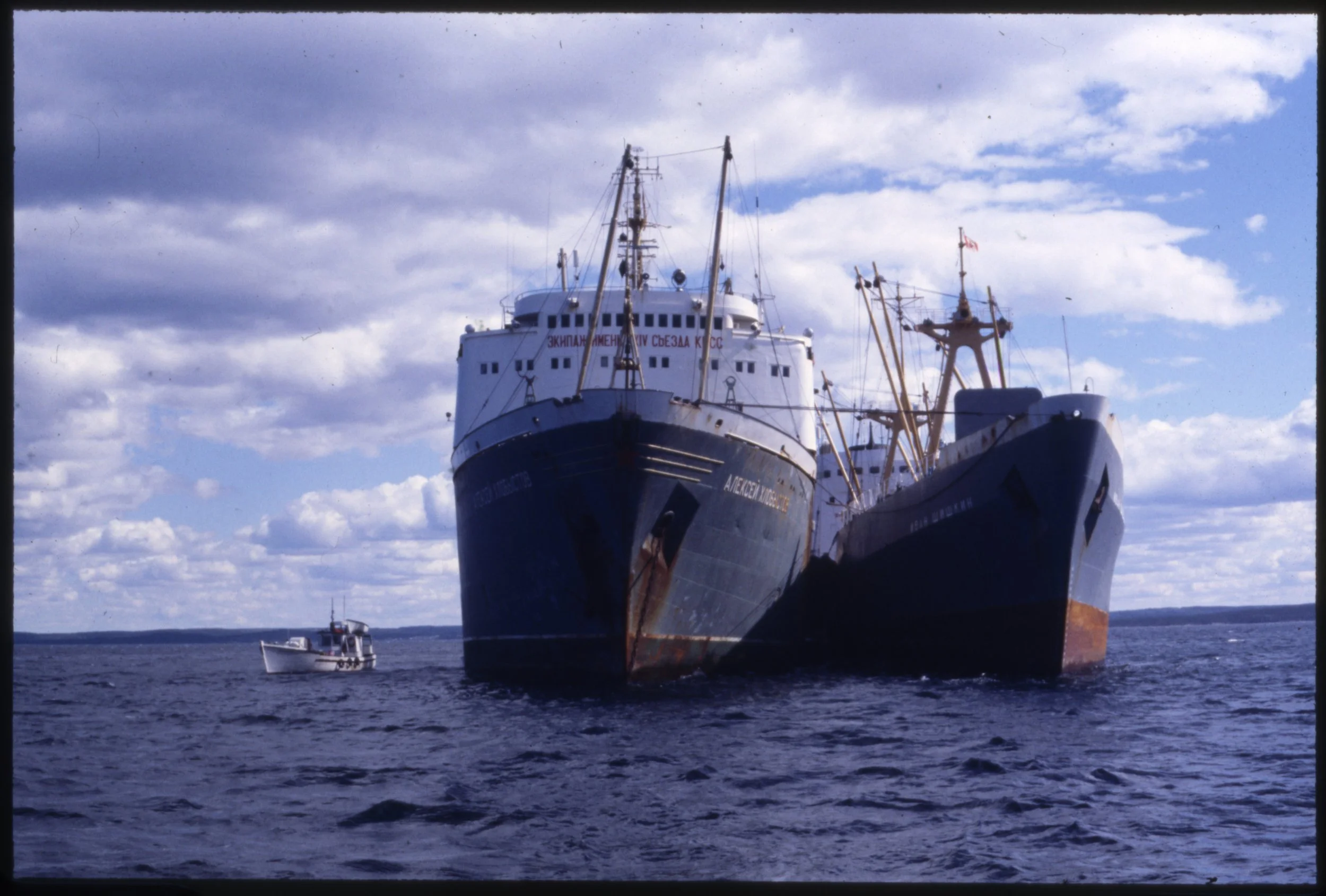

"To compete with [foreign fleets], indeed to outfish them, we must modernize both our inshore and our offshore fishing fleets."
— Federal fisheries minister Hédard Robichaud, 1965.
Early 1970s: A fishery crisis brings efforts for change
A delegation from Newfoundland and Labrador to Ottawa in 1971 - the Save Our Fisheries Association - brought national attention to a troubled fishery. A subsequent crisis in 1974 drove the message home. Resource shortfalls in cod and other groundfish had sent fishing families into despair.
Roméo LeBlanc was named federal Fisheries Minister in 1972. The former teacher and journalist, and future Governor-General of Canada, urged Atlantic fish harvesters to organize, and officials to pay attention. The Federal Government gave emergency aid and stepped up its conservation and equity efforts, including fish quotas, fishing licences, and fisheries advisory committees. Soon, hopes began stirring for recovery and even prosperity – if only Canada could get a 200-mile zone to protect its fisheries, especially Newfoundland and Labrador cod.
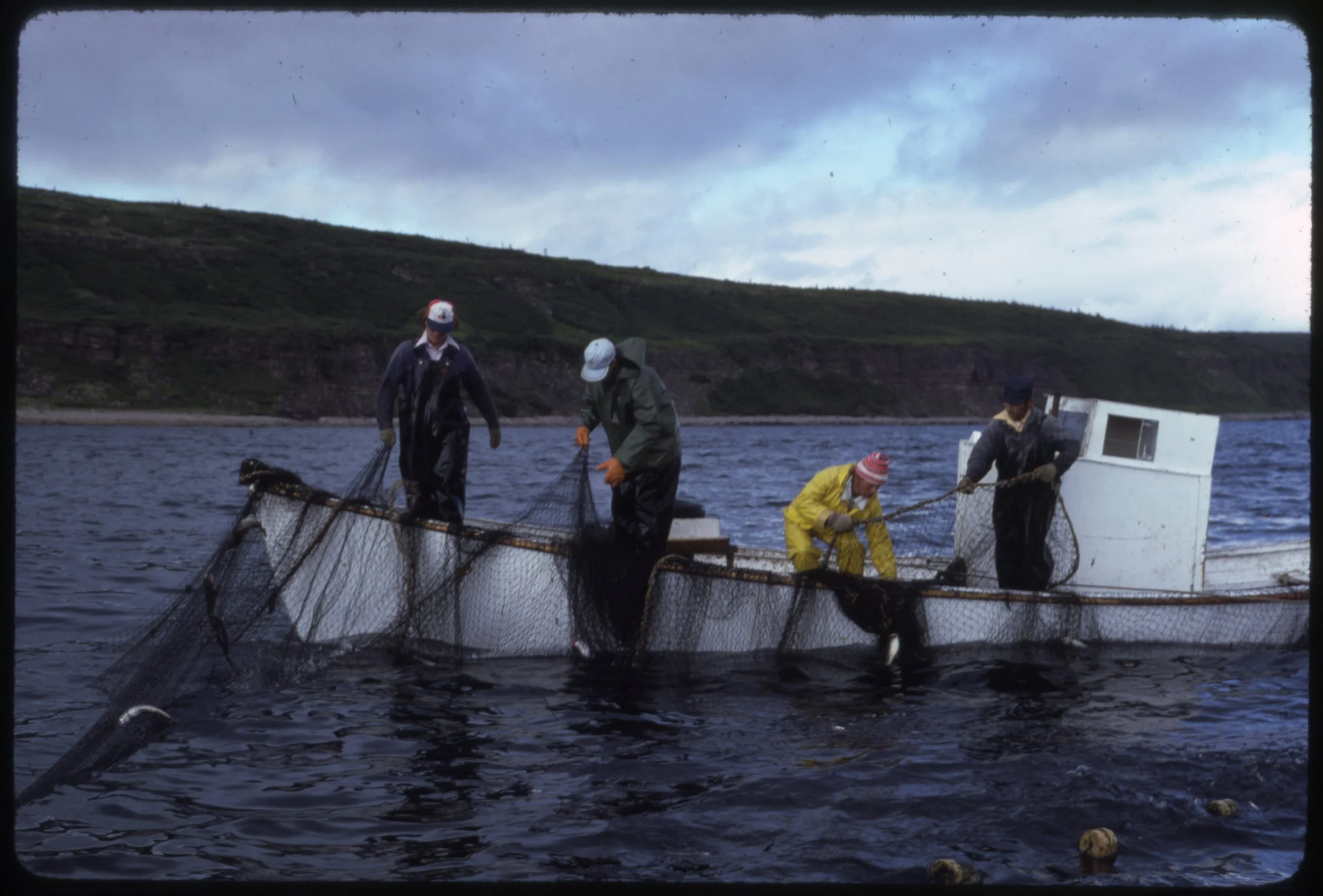
“Save Our Fisheries”
— A delegation from Newfoundland and Labrador took those words directly to Prime Minister Pierre Elliott Trudeau and cabinet members in 1971.
1975-1977: Forceful negotiations pave the way for Canada’s 1977 declaration of the 200-mile limit
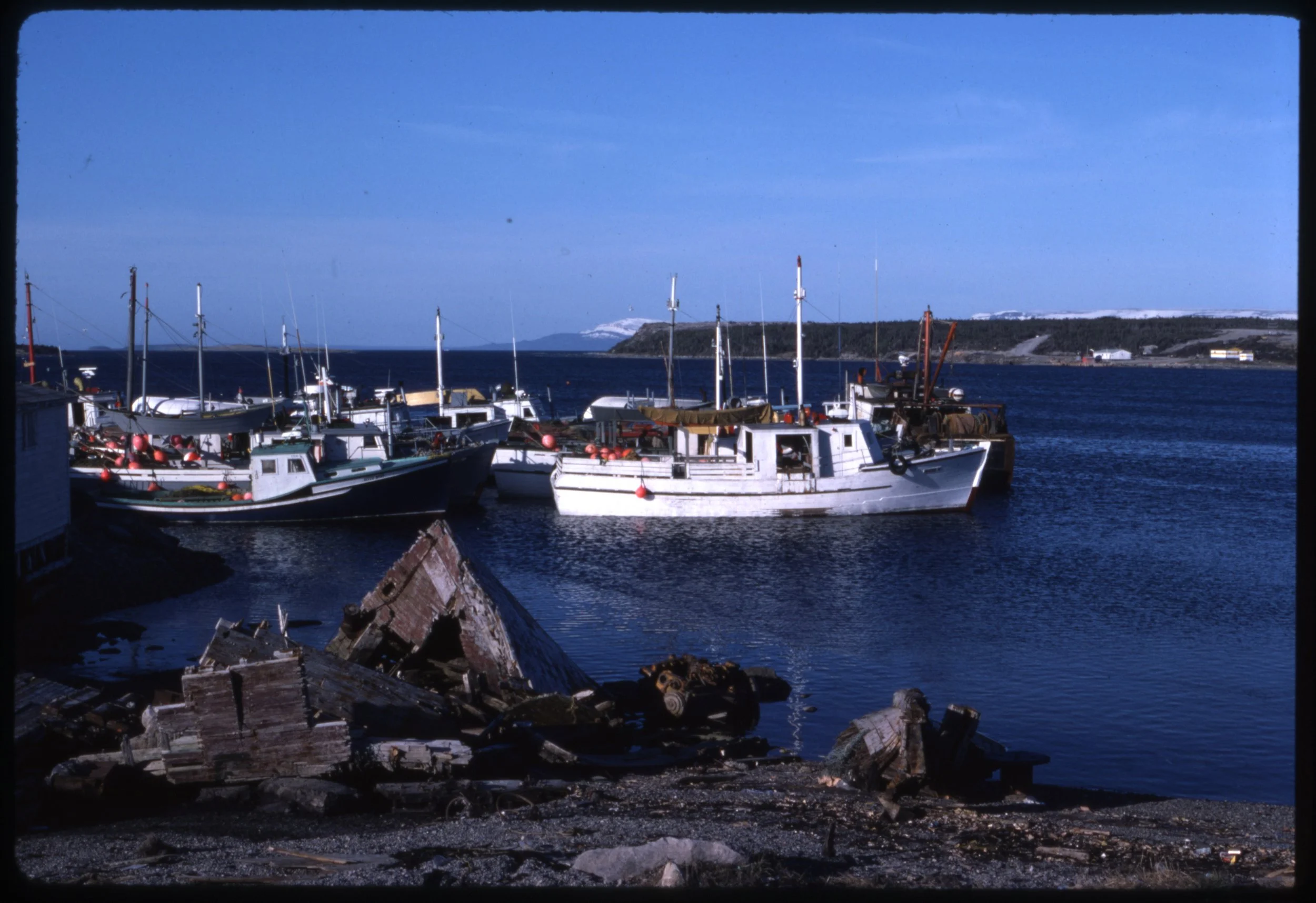
Roméo LeBlanc and his department led the way to the 200-mile limit. At one point he caused international tension by closing Canadian ports to Soviet fishing vessels; this prompted better co-operation. Canada secured bilateral agreements with other fishing nations that spelled out the “concern of the Government of Canada for the welfare of its coastal communities and for the living resources of the adjacent waters upon which these communities depend.”
Canada should “build the 200-mile zone from the coast out”
Extended jurisdiction brought jubilation. Many large companies wanted to expand, and the Newfoundland and Labrador and Nova Scotia governments both wanted fleets of freezer trawlers. Roméo LeBlanc and his department tried to hold the line for conservation, with some success – but as it turned out, not enough.
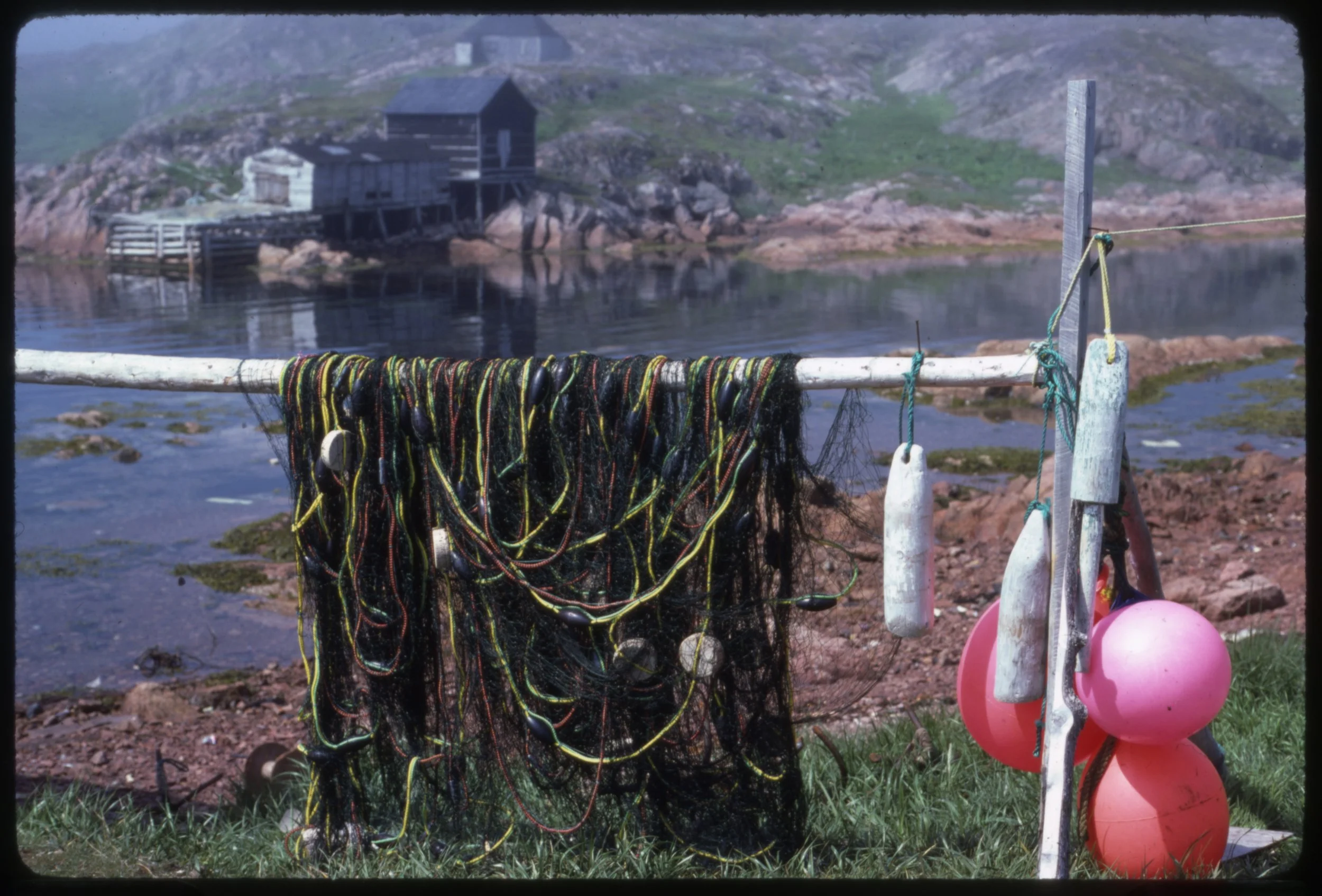
“We see a history marked by boom-and-bust cycles, low incomes, and out-migration of fishermen and their children ... In Atlantic fisheries generally, our policies support ownership of vessels by individual fishermen, or by the companies they form, rather than by processing companies. We have saved quotas and licences to give the inshore and midshore men . . . the chance to move up to better boats and a better fishery. We want to build the 200-mile zone from the coast out."
— Federal fisheries minister Roméo LeBlanc, soon after the 200-mile limit.
1977-1980: Growth follows extension of jurisdiction
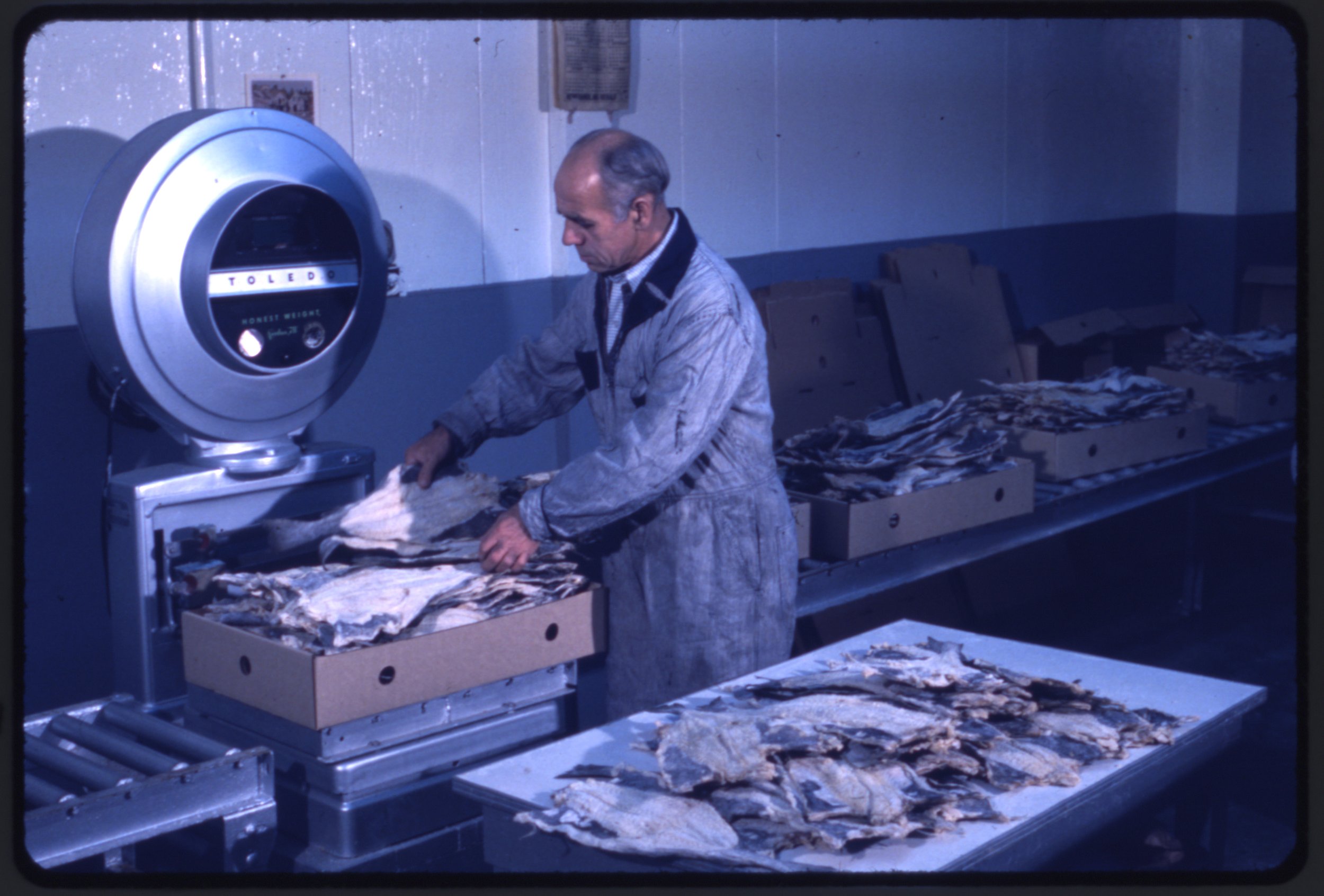
Despite new rules from the federal Department of Fisheries and Oceans limiting growth in the size and number of vessels, fishing power expanded anyway, by hook or by crook. On shore, the largest processing companies became huge in assets and operations. Medium-sized and smaller plants also proliferated, with the Atlantic total of processing facilities rising 73 per cent from 1977 to 1987. In Newfoundland and Labrador, the number vaulted from 147 plants to 250.
“Canada is now the world’s largest exporter of fish in terms of dollar value and must find markets for its burgeoning fish production.”
— from “Northern Cod: A Fisheries Success Story,” published in 1980 by the Department of Fisheries and Oceans.
1981-1985: Large-trawler companies enter a new crisis
By the autumn of 1981 the fishery rollercoaster ride continued, with large-trawler corporations facing bankruptcy and closing plants. They hit the wall through a complex tangle of factors including high interest rates, high energy costs, and market changes.
A much-heralded federal Task Force on Atlantic Fisheries brought financial aid to a partial restructuring of large-trawler companies, and proposed reforms along the lines that Roméo LeBlanc had already recommended. It mentioned the positive point that fishery resources were generally good – especially Northern cod, which could in future provide a staggering 550,000 tonnes annually.
“Some of the large companies had over-expanded beyond their capacity to manage.”
— From a speech by Michael Kirby, leader of the federal Task Force on Atlantic Fisheries.
1986-1991: Northern cod expansion becomes a subtraction
Many inshore and mid-shore Atlantic fish harvesters believed the fishery was going wrong, and the Newfoundland Inshore Fisheries Association commissioned its own science study, which found fault with Fisheries and Oceans Canada estimates of Northern cod abundance. Fish harvesters believed the good catch rates calculated by federal scientists distorted the picture: with new technology one could always zero in on schools of fish.
The department decided Northern cod were basically okay - until, in 1989, its own scientists recommended cutting the already shrinking quota by half. Nothing that drastic happened until 1992, when Fisheries and Oceans Canada realized the worst.
“Inshore suspicions coalesced in 1986 with formation of the Newfoundland Inshore Fisheries Association. NIFA. . . . maintained that something was going badly wrong with cod stocks.”
— From “Managing Canada’s Fisheries,” a Fisheries and Oceans Canada history.
July 2, 1992: Moratorium closes Northern cod fishery and shakes Newfoundland and Labrador
Whoever or whatever depleted the cod so drastically, it wasn’t the small independent boats whose hundreds of communities had depended on the fishery for hundreds of years. In those communities, the deadliest fishing machines – offshore trawlers – drew almost all the blame.
The moratorium created the largest layoff in Canadian history – more than 30,000 people. Some communities shrank by more than half. Richard Cashin, then-leader of Newfoundland and Labrador’s major fish harvesters’ union, called it “a catastrophe of Biblical proportions.”
Instead of two years as expected, the closure lasted for 32 years.
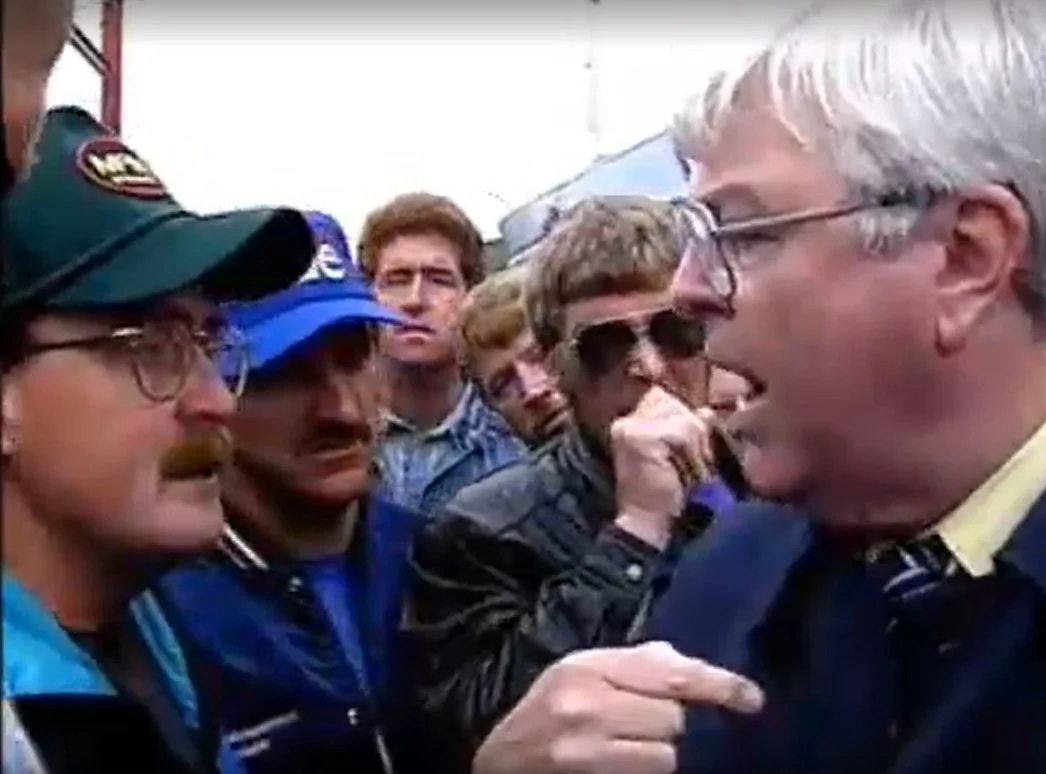
“I didn’t take the fish from the Goddamn water.”
— Federal fisheries minister John Crosbie, during a wharf-side confrontation.